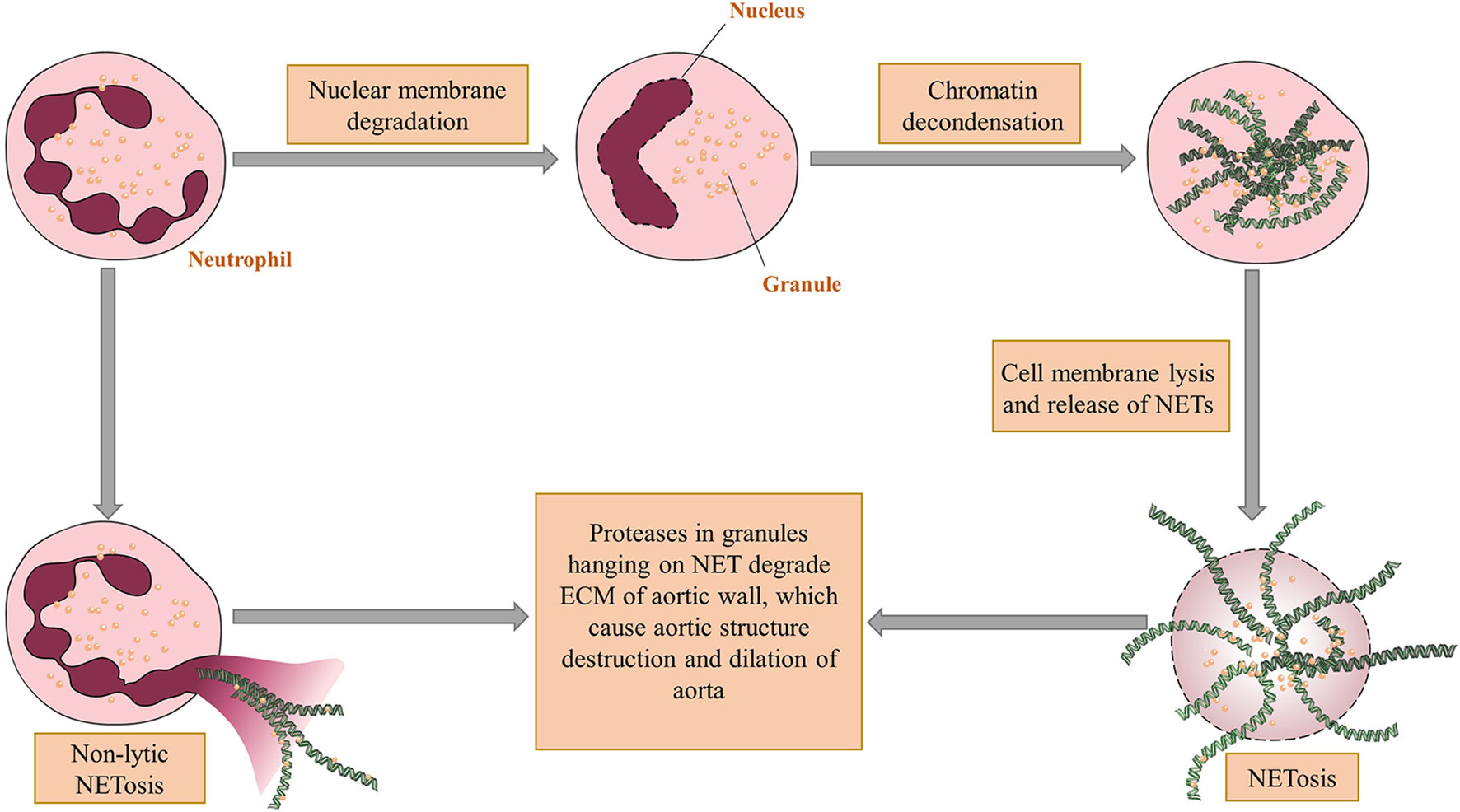
An abdominal aortic aneurysm (AAA) is a potentially life-threatening condition in which the abdominal portion of the aorta—the largest artery in the body—becomes enlarged or bulges due to a weakened arterial wall. The aorta carries oxygen-rich blood from the heart to the lower parts of the body, and any abnormal dilation can compromise blood flow and, in severe cases, lead to rupture and life-threatening internal abdominal aortic aneurysm icd 10 bleeding. Understanding abdominal aortic aneurysm and its ICD-10 classification is essential for healthcare providers, patients, and medical coders.
What is an Abdominal Aortic Aneurysm?
An AAA develops gradually and is often asymptomatic in its early stages, making it difficult to detect without proper screening. In some cases, patients may experience:
- Persistent abdominal or back pain
- A pulsating sensation near the navel
- Discomfort in the abdomen that comes and goes
Risk factors for developing an AAA include advanced age (especially over 65 years), male gender, smoking history, high blood pressure, atherosclerosis, and a family history of aneurysms. While small aneurysms (less than 5.5 cm in diameter) may be monitored with routine imaging, larger aneurysms or those that grow rapidly require surgical intervention. Timely diagnosis is critical because the mortality rate for a ruptured AAA exceeds 80%.
ICD-10 Classification of Abdominal Aortic Aneurysm
The International Classification of Diseases, 10th Revision (ICD-10) is a global standard for documenting and classifying medical conditions. Accurate ICD-10 coding is crucial for medical record-keeping, insurance claims, research, and quality care monitoring.
In ICD-10, abdominal aortic aneurysms are categorized under I71 – Aortic Aneurysm and Dissection, with further subdivisions based on rupture status and anatomical location:
- I71.3: Abdominal aortic aneurysm, ruptured
- I71.4: Abdominal aortic aneurysm, without rupture
- I71.5: Thoracoabdominal aortic aneurysm, ruptured
- I71.6: Thoracoabdominal aortic aneurysm, without rupture
Distinguishing between ruptured and non-ruptured aneurysms is essential. Ruptured AAAs require immediate surgical repair, while non-ruptured aneurysms can often be managed through regular monitoring and preventive care.
Diagnosis of Abdominal Aortic Aneurysm
Early detection of AAA significantly improves outcomes. Screening is particularly recommended for men aged 65–75 who have a history of smoking, according to the U.S. Preventive Services Task Force (USPSTF). Individuals with a family history of AAA may also benefit from early or additional screening, even if they fall outside standard risk categories.
Diagnostic methods include abdominal ultrasound, computed tomography (CT) scans, and magnetic resonance imaging (MRI). These imaging studies help determine the aneurysm’s size, location, and growth rate, guiding treatment decisions and reducing the risk of rupture.
Treatment Options
Treatment for AAA depends on size, growth, and patient health. Small aneurysms are often managed conservatively with lifestyle modifications, blood pressure management, and regular imaging. Larger or symptomatic aneurysms may require surgical repair, with two main options available:
- Open Surgical Repair (OSR): This traditional method involves opening the abdomen to replace the weakened aorta with a synthetic graft. OSR is highly effective but more invasive.
- Endovascular Aneurysm Repair (EVAR): A minimally invasive procedure in which a stent-graft is inserted through the femoral artery to reinforce the aorta. EVAR is generally preferred for patients with higher surgical risk and offers shorter recovery times.
Both approaches carry risks, but timely intervention can prevent rupture and significantly improve survival rates.
Importance of Accurate ICD-10 Coding
Accurate ICD-10 coding for abdominal aortic aneurysm is vital for multiple reasons:
- Insurance and Billing: Correct codes ensure healthcare providers receive appropriate reimbursement for diagnostic procedures and surgical interventions.
- Patient Care: Accurate records allow clinicians to track disease progression and make informed treatment decisions.
- Research and Epidemiology: ICD-10 codes enable data collection for studying prevalence, outcomes, and risk factors associated with AAA.
- Quality Reporting: Hospitals and healthcare systems rely on accurate coding for audits, compliance, and quality improvement initiatives.
Conclusion
An abdominal aortic aneurysm is a potentially fatal condition that requires careful monitoring, timely diagnosis, and appropriate intervention. Awareness of risk factors, adherence to screening guidelines, and understanding treatment options are crucial for patient safety. Equally important is the proper use of ICD-10 codes, particularly I71.3 for ruptured AAA and I71.4 for non-ruptured AAA, to ensure accurate medical documentation, smooth insurance processing, and high-quality care. With early detection, vigilant monitoring, and proper treatment, the risks associated with AAAs can be significantly reduced, enhancing patient outcomes and saving lives.
About the Author
